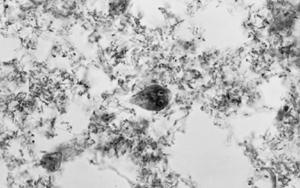
 |
On the basis of the blood smear findings and the clinical setting, what is the most likely diagnosis for this patient?
- Plasmodium falciparum infection
- Streptococcus pneumoniae infection
- Ehrlichia chaffeensis infection
- Bartonellosis
- Babesiosis
| Infectious Disease |
Question #14
A 62-year-old woman is admitted to the hospital following resuscitation from a witnessed cardiac arrest. Her initial cardiac rhythm (taken by EMTs at the scene) was polymorphic ventricular tachycardia. Her past medical history is notable only for seasonal allergies, and her only usual medication is astemizole, although she began taking an oral antibiotic for sinusitis several days before her cardiac arrest. On further evaluation, no underlying cardiac disease is found to explain her cardiac arrest.
Which of the following is the most likely antibiotic this patient was taking and the mechanism by which it caused her arrhythmia?
- Trimethoprim-sulfamethoxazole; hyperkalemia
- Erythromycin; QT prolongation
- Amoxicillin; hypokalemia
- Ciprofloxacin; myocarditis
- Cephalexin; vasculitis
Answer 1 is
not correct. Answer 2 is correct.
Key Concept: Recognize a potential lethal drug interaction between
erythromycin and certain nonsedating antihistamines
This patient most likely suffers from QT prolongation that developed in polymorphic ventricular tachycardia. In the absence of any other defined etiology, the possibility that this developed because of a drug interaction between erythromycin and astemizole must be considered. In fact, this is a well-described interaction, and patients who are going to receive erythromycin must be queried specifically about other drugs (such as the nonsedating antihistamines terfenadine and astemizole or the intestinal-motility-enhancing agent cisapride) that are known to interact with erythromycin. None of the other agents listed in the choices are known to be associated with cardiac toxicities.
Question #15
A 68-year-old diabetic woman with chronic renal insufficiency is admitted to the hospital with urosepsis. She has a history of anaphylactic reaction to penicillin that required intubation for severe bronchospasm. Urinalysis shows > 100 WBC, and Gram's stain shows 3+ plump gram-negative rods.
Which of the following antibiotics would be most appropriate for this patient with a known severe penicillin allergy?
- Ampicillin
- Ceftazidime
- Vancomycin
- Aztreonam
- Imipenem
Answer 1 is
not correct. Answer 4 is correct.
Key Concept: Understand the cross-reaction between antibiotics in
patients with known severe penicillin allergy
Penicillin allergy is common, and its severity ranges from mild to potentially life-threatening (as in this particular patient). Cross-immunogenicity may occur between the penicillins and other ß-lactam agents, such as the cephalosporins and the carbapenems, and these agents should be avoided in patients with a history of serious penicillin allergy. Monobactams (e.g., aztreonam) appear to be safe to use in patients with even severe penicillin allergy. The spectrum of activity of aztreonam is limited to aerobic gram-negative rods, so it would be an appropriate empirical choice in this patient until final susceptibility information is available. Vancomycin, although safe to administer to patients with penicillin allergy, does not have appreciable gram-negative activity and therefore would not be appropriate to give to this patient with urosepsis due to gram-negative rods.
Question #16
A 44-year-old man is admitted to the hospital with community-acquired meningitis. His medical history is remarkable for non-Hodgkin's lymphoma, for which he is currently receiving intermittent chemotherapy. On exam, the patient is febrile and confused but without other localizing neurologic findings. He has no known drug allergies. A CT scan of the head reveals no focal abnormality or signs of increased intracranial pressure. Lumbar puncture shows cloudy fluid with elevated total protein, decreased glucose, and neutrophilic pleocytosis; and Gram's stain shows rare gram-positive rods.
Which of the following would be the most appropriate empirical antibiotic(s) for this patient?
- Ceftriaxone
- Vancomycin and ceftriaxone
- Doxycycline and ceftriaxone
- Ampicillin and ceftriaxone
- Imipenem
Answer 1 is
not correct. Answer 4 is correct.
Key Concept: Recognize that cephalosporins have no activity against Listeria
monocytogenes
Streptococcus pneumoniae, Neisseria meningitidis, Listeria monocytogenes, and gram-negative bacilli are among the most common bacterial causes of community-acquired meningitis. This patient's age and immunocompromised state (on chemotherapy for lymphoma) place him at particular risk for Listeria, and the CSF Gram's stain with gram-positive rods is highly suspicious of Listeria meningitis. Although ceftriaxone and cefotaxime have good activity against many of the bacterial causes of bacterial meningitis, they do not have activity against L. monocytogenes. Ampicillin (with or without an aminoglycoside) or trimethoprim-sulfamethoxazole are the agents of choice for treating serious Listeria infections. Only choice D includes an agent with good activity against Listeria (i.e., ampicillin).
Question #17
A 68-year-old man presents to his primary care physician with fever and productive cough of 2 days' duration. His past medical history is remarkable for COPD, osteoporosis, and serious penicillin allergy. His chronic medications include prednisone (10 mg p.o., daily), albuterol/Atrovent via metered-dose inhalers, and Tums (t.i.d.) taken as a calcium supplement. On exam, he does not appear acutely ill but has a low-grade fever and rales over the right lower lung field. Chest x-ray shows RLL pneumonia without associated effusion. Sputum Gram's stain shows 3+ WBC and numerous gram-positive diplococci. Community-acquired pneumonia is diagnosed, and levofloxacin (500 mg p.o. daily) is prescribed. Three days later, the patient returns because he has not clinically improved. Sputum culture is growing 3+ Streptococcus pneumoniae, susceptible to penicillin.
Which of the following would be the most appropriate next step in managing this patient?
- Discontinue levofloxacin, begin amoxicillin (500 mg p.o., t.i.d.)
- Discontinue levofloxacin, begin imipenem (250 mg I.V., q. 6 hr)
- Discontinue Tums, continue levofloxacin, and monitor clinically
- Add gentamicin (80 mg I.V., q. 8 hr)
- Refer the patient for bronchoscopy
Answer 1 is
not correct. Answer 3 is correct.
Key Concept: Recognize the interaction between common over-the-counter
medications and quinolones
The patient presented here has mild community-acquired pneumonia with a pan-susceptible strain of Streptococcus pneumoniae. More than 99% of penicillin-susceptible S. pneumoniae strains are susceptible to the newer quinolones (such as levofloxacin), so clinical failure is unlikely to be caused by resistance to levofloxacin. However, the absorption of levofloxacin, like that of other quinolones, is markedly decreased by the concomitant administration of cation-containing medications (e.g., Maalox and Tums). Thus, this patient's therapy was likely failing because of inadequate absorption of the levofloxacin. Discontinuing Tums while the patient is receiving levofloxacin would be the most reasonable course of action, as long as the patient is not clinically deteriorating. Changing therapy or adding gentamicin is not appropriate, because resistance is unlikely. Likewise, bronchoscopy is not indicated, because a pathogen (i.e., S. pneumoniae) has already been identified, and there is no clinical or radiographic evidence to suggest a postobstructive pneumonia.
Question #18
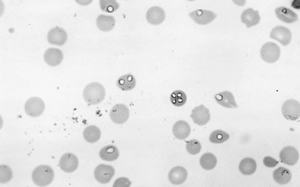
A 50-year-old man from Nantucket Island is evaluated for fever, shaking chills, and malaise of 2 days' duration. His symptoms began on the day he returned from a 3-day business trip to Bombay, India. His medical history is remarkable only for a splenectomy that was performed 10 years ago as a result of a motor vehicle accident. On physical exam, the patient appears ill and has a temperature of 102.5 F. His heart rate is 100, and his blood pressure is 100/60. The rest of the exam is remarkable only for pallor and a well-healed abdominal scar. Lab test results are as follows: WBC, 2,400 (left shift); HCT, 28; platelets, 134,000; liver function tests, elevated. Chest x-ray and urinalysis are normal. The laboratory calls to report an unusual finding on blood smear [see Figure, below].
On the basis of the blood smear findings and the clinical setting, what is the most likely diagnosis for this patient?
- Plasmodium falciparum infection
- Streptococcus pneumoniae infection
- Ehrlichia chaffeensis infection
- Bartonellosis
- Babesiosis
Answer 1 is
not correct. Answer 5 is correct.
Key Concept: Recognize the clinical presentation and characteristic
laboratory findings in a patient who has undergone splenectomy
Babesia is a genus of tick-borne protozoan parasites that can produce a malarialike illness; it is endemic in parts of the United States. Although the illness is generally mild and self-limited in otherwise healthy hosts, it can produce a serious systemic febrile illness in splenectomized persons. The clinical features are nonspecific and can include fever, chills, and sweats. Hemolytic anemia, normal to low leukocyte counts, and abnormal liver function tests are commonly seen. The diagnosis is based on the finding of characteristic intracellular forms within red blood cells (Babesia can sometimes be difficult to distinguish from Plasmodium species, however). The tetrad forms (demonstrated in this patient's smear) and the absence of gametocytes and pigment all help distinguish Babesia from Plasmodium species.
The findings on this patient's blood smear, together with his clinical signs and symptoms and the fact that he resides in an area endemic for Babesia, suggest the diagnosis of babesiosis. Malaria is unlikely, given the appearance of the blood smear and the very short period between his visit to a malarious area and the development of illness. Likewise, the blood smear is not consistent with S. pneumoniae, Bartonella, or Ehrlichia infection. (Ehrlichia causes intracellular inclusions within white blood cells, not red blood cells).
Question #19
Which of the following would be the treatment of choice for the patient described in Question 18?
- Clindamycin and quinine
- Penicillin G
- Tetracycline
- Erythromycin
- Streptomycin
Answer 1 is
correct.
Key Concept: Recognize the treatment of babesiosis
The treatment of choice for serious babesiosis is a combination of clindamycin and quinine. The other antibiotics listed are not recommended for the treatment of babesiosis.
Question #20
A 62-year-old man is planning a week-long adventure safari to South Africa and seeks your advice regarding malaria prophylaxis. His medical problems include well-controlled hypertension and bipolar disorder. His current medications are a beta blocker and lithium. You verify that his vaccination status is current and counsel him about safe food practices and mosquito-avoidance measures.
Which of the following would be the most appropriate malaria prophylaxis for this patient?
- No prophylaxis is needed because the duration of his trip is short
- Weekly mefloquine
- Weekly chloroquine
- Daily doxycycline
- Daily erythromycin
Answer 1 is
not correct. Answer 4 is correct.
Key Concept: Understand the options for malaria prophylaxis for
travelers to malaria-endemic areas
Malaria in travelers to endemic areas remains an important preventable cause of morbidity and mortality. General mosquito-avoidance measures (i.e., protective clothing, repellents) and chemoprophylaxis are recommended for all travelers to endemic areas, including those with relatively short periods of exposure, such as this patient. Chloroquine-resistant malaria is widespread, particularly in Africa; and thus, chloroquine would not be appropriate chemoprophylaxis in this patient. Of the choices listed, mefloquine and doxycycline have activity against chloroquine-resistant malaria. Mefloquine, however, is generally not recommended for patients taking drugs that alter cardiac conduction (such as beta blockers, as seen in this patient). In addition, mefloquine is not recommended for patients with a history of psychiatric disorders (such as the bipolar disorder seen in this patient). Erythromycin has no role in malaria chemoprophylaxis. Thus, daily doxycycline is the most appropriate choice for malaria chemoprophylaxis in this patient.
Question #21
A 22-year-old man is evaluated for a 2-week history of crampy abdominal pain, bloating, and watery diarrhea. He has also noted malodorous flatulence, sulfurous eructation, and a 5 lb weight loss during this period. He is otherwise healthy, denies HIV risk factors, takes no medications, and has not traveled outside Seattle, Washington. He denies fever and blood and mucus in the stool. Two weeks before his symptoms began, he began a volunteer job at a day care center. As part of his diagnostic workup, a stool exam for ova and parasites (O&P) is performed, and a representative stain from a fresh stool sample is examined [see Figure, below].
On the basis of the clinical presentation and the appearance of parasites on the O&P exam, which of the following is the most likely cause of this patient's symptoms?
- Cyclospora cayetanensis
- Giardia lamblia
- Entamoeba histolytica
- Microsporidia
- Cryptosporidium parvum
Answer 1 is
not correct. Answer 2 is correct.
Key Concept: Recognize the clinical presentation and morphologic
appearance of Giardia lamblia
The clinical features in this patient and the results of his stool O&P exam are consistent with giardiasis. In particular, the duration of symptoms (longer than 7 days) and prominent symptoms of malabsorption are suggestive of Giardia infection. Although classically thought to be an illness of travelers, this infection is also seen in other groups, such as institutionalized patients, day care participants or their caregivers, and homosexuals. A stool O&P exam (several specimens may be required for optimal yield) and immunologic tests to detect Giardia antigens in stool are the most commonly used methods of diagnosis. The stool exam shows a classic trophozoite form of the parasite. Cyclospora, Microsporidia, and Cryptosporidium would not be detected without special stains and would not have a trophozoite stage, as seen in this patient. Entamoeba typically causes a colitis rather than malabsorptive syndrome and thus would not be consistent with this patient's clinical presentation.
Question #22
For the patient described in Question 21, which of the following would be the most appropriate treatment?
- No treatment is required
- Paromomycin
- Trimethoprim-sulfamethoxazole
- Metronidazole
- Praziquantel
Answer 1 is
not correct. Answer 4 is correct.
Key Concept: Understand appropriate treatment of giardiasis
Of the choices listed, metronidazole is the best for treating symptomatic giardiasis. A 10-day course of thrice-daily oral metronidazole is generally recommended. Tinidazole and quinacrine are also active against Giardia but are not generally available in the United States. Paromomycin, an aminoglycoside that is not absorbed orally, has activity against Giardia but appears to be less efficacious than metronidazole. It is sometimes used for treating giardiasis in pregnant patients because of the theoretical adverse effects of other anti-Giardia drugs on the fetus.
Question #8
An 18-year-old, otherwise healthy college student with no history of travel outside Seattle is evaluated for dysuria and purulent penile discharge. He admits to having unprotected sex with two new partners over the past several weeks. He has a history of anaphylaxis to penicillin. On physical exam, he is noted to have spontaneous penile discharge of whitish material. No rash, adenopathy, or ulcer is present. A Gram's stain of the purulent discharge shows numerous polymorphonuclear leukocytes (PMNs), some with intracellular gram-negative diplococci. A urethral culture, serum rapid plasma reagin (RPR), and HIV test (after appropriate counseling) are ordered.
Which of the following would be the best course of action for this patient?
- Cefixime, 400 mg p.o. once, plus doxycycline, 100 mg p.o., b.i.d., for 7 days
- Await culture results before initiating therapy
- Ceftriaxone, 125 mg I.M. once, plus azithromycin, 1 g p.o. once
- Ciprofloxacin, 500 mg p.o. once, plus doxycycline, 100 mg p.o., b.i.d., for 7 days
- Ceftriaxone, 250 mg I.M. once
Answer 1 is
not correct. Answer 4 is correct.
Key Concept: Understand the appropriate management of uncomplicated
gonococcal urethritis
The patient described in this question has a typical presentation of symptomatic gonococcal urethritis in a young man. The Gram's stain findings in this clinical setting are more than 90% sensitive and specific for the diagnosis of gonococcal infection, and therefore, empirical therapy for gonococcal urethritis should be instituted without waiting for culture results. Because of this patient's history of serious penicillin allergy, penicillin and cephalosporins are best avoided. Ciprofloxacin (or another quinolone) will adequately treat gonococcal urethritis. Since 15% to 30% of patients with gonorrhea are concurrently infected with Chlamydia trachomatis, the addition of an agent with activity against Chlamydia is warranted. Either doxycycline for 7 days or azithromycin as a single dose would be appropriate.
Question #9
A 27-year-old sexually active heterosexual man is evaluated for symptoms of dysuria and scant, clear urethral discharge for 5 days. Physical examination is remarkable only for minimal clear urethral discharge. Gram's stain of the discharge reveals 5 PMNs/high-power field but no organisms. A subsequent gonorrhea culture and chlamydia LCR are negative, as are an RPR and HIV serology. The patient is treated initially with doxycycline, 100 mg p.o., b.i.d., but returns 10 days later with the same symptoms. He was compliant with therapy and has not had any sexual contacts since treatment began. A repeat urethral Gram's stain again shows 5 PMNs/high-power field and no organisms. Repeat tests for gonococcus and chlamydia are negative.
What would be the next appropriate step for this patient?
- Repeat a course of doxycycline, 100 mg p.o. for 7 days
- Ceftriaxone, 125 mg I.M. once
- Erythromycin, 500 mg p.o., q.i.d., for 7 days
- Spectinomycin, 2 g I.M. once
- Ciprofloxacin, 500 mg p.o. once
Answer 1 is
not correct. Answer 3 is correct.
Key Concept: Understand the etiology and treatment of nongonococcal
urethritis
The patient in this question has nongonococcal urethritis (NGU), as evidenced by his symptoms of dysuria and the findings of WBC on urethral smear. Chlamydia, Ureaplasma, Trichomonas vaginalis, herpes simplex virus (HSV), and Mycoplasma genitalium all are associated with NGU. Many of these organisms are not detected on routine cultures. Tetracycline resistance in Ureaplasma can be a cause of treatment failure and warrants treatment with either erythromycin or ofloxacin. Thus, this would be a reasonable next step in the management of this patient. Ceftriaxone, spectinomycin, and ciprofloxacin have activity against GC but not the etiologic agents of NGU. If the patient does not respond to a course of erythromycin, then further evaluation and/or treatment for Trichomonas or HSV would be appropriate.
Question #10
A 34-year-old, otherwise healthy woman is evaluated for symptoms of mild vaginal pruritus and discharge. She is in a stable, monogamous relationship. On exam, no rash, ulcer, or lymphadenopathy is noted. On speculum exam, she has a small amount of thin vaginal discharge adherent to the vaginal wall. The cervix and bimanual exam are normal. The pH of the vaginal fluid is 5.0, and a "fishy" odor is noted after addition of 10% KOH. A Gram's stain of the vaginal fluid reveals occasional WBC and numerous "clue cells."
Appropriate management of this patient at this point would include which of the following?
- Ceftriaxone plus doxycycline
- Intravaginal miconazole
- Azithromycin
- Metronidazole
- Fluconazole
Answer 1 is
not correct. Answer 4 is correct.
Key Concept: Recognize the clinical presentation and management of
bacterial vaginosis
Localized trichomonal or candidal infection or replacement of the normal vaginal flora with anaerobes is the most common cause of vaginitis. Exam findings and symptoms are relatively nonspecific, so a specific diagnosis is usually established by examining the pH and microscopic features of the vaginal discharge. Bacterial vaginosis is established by the presence of at least three of the following criteria: homogeneous, adherent discharge; vaginal fluid pH > 4.5; clue cells; and fishy odor from the vaginal discharge either before or after the addition of 10% KOH. This patient meets all these criteria and does not have trichomonal organisms or yeast seen on microscopic exam. Appropriate treatment would include either metronidazole or clindamycin (either agent as oral or topical therapy). Treatment of sexual partners is not routinely recommended.
Question #11
Genital ulcers are associated with an increased risk of HIV transmission. Clinical features of the major causes of genital ulcer disease can overlap considerably, so specific laboratory testing is warranted.
Which of the following is not associated with genital ulcers?
- Neisseria gonorrhoeae
- Haemophilus ducreyi
- Treponema pallidum
- Herpes simplex virus
- Calymmatobacterium granulomatis
Answer 1 is
correct.
Key Concept: Recognize the most common etiologies of genital ulcers
Genital ulcer disease is associated with an increased risk of HIV transmission and thus must be appropriately diagnosed and treated. The clinical features of the different causes of genital ulcer disease can overlap considerably, so appropriate laboratory testing is often necessary to make a correct diagnosis. Of the choices listed, only N. gonorrhoeae is not typically associated with genital ulcers. H. ducreyi (chancroid), T. pallidum (syphilis), herpes simplex virus, and C. granulomatis (donovanosis) are all important causes of genital ulcers and should be considered in the differential diagnosis of genital ulcer disease.
Question #12
A 24-year-old, otherwise healthy, HIV-negative, sexually active woman from Alaska presents for evaluation of left knee pain and swelling of 2 days' duration. She denies local trauma or a similar prior episode. She has noted fevers, scattered pustular skin lesions, and aching joints over the week preceding the knee swelling. On exam, she is febrile but nontoxic. Several partially healing, scattered pustular skin lesions are noted, some with necrotic centers. The left knee is warm, and a moderate effusion is present. No other abnormalities are noted on physical exam. Left-knee arthrocentesis reveals purulent fluid with a WBC of 50,000/µl, but the Gram's stain is negative. Appropriate cultures are obtained, and empirical therapy is begun.
Which of the following is the most likely diagnosis for this patient?
- Acute parvovirus infection
- Rat-bite fever
- Reiter's syndrome
- Disseminated gonococcal infection
- Lyme disease
Answer 1 is
not correct. Answer 4 is correct.
Key Concept: Recognize the clinical presentation of disseminated
gonococcal infection
Gonococcal infection is the leading cause of bacterial arthritis in young adults, and this patient's clinical presentation is most consistent with this diagnosis. In disseminated gonococcal infection (DGI), an early arthritis-dermatitis syndrome is typically followed by a joint-localization stage. Although blood cultures may be positive during the early phases of illness (i.e., during the phase characterized by constitutional symptoms, migratory arthralgias, and vesiculopustular skin lesions), they are infrequently positive at the stage in which purulent monoarticular or oligoarticular arthritis is present. The converse is true for cultures from synovial fluid. Thus, cultures from blood, synovial fluid, and other sites (e.g., urogenital tract, pharynx, rectum) are recommended in the evaluation of a patient with possible DGI. Parvovirus is unlikely to cause a purulent monoarticular or oligoarticular arthritis or to be associated with pustular skin lesions. The patient has had no exposure to ticks or rats, so the diagnoses of Lyme disease and rat-bite fever are unlikely. The skin lesions are not typical for Reiter's syndrome, and there is no evidence of sacroiliitis or tendinitis.
Question #13
You are called to evaluate a 74-year-old man with Parkinson's disease. Because of incontinence, he has required a chronic indwelling urinary catheter. He has been hospitalized twice in the last year for urosepsis. He is currently afebrile and has no abdominal pain. He has had no mental status changes or recent falls. Results of lab work done 48 hours ago include WBC, 8,000; HCT, 42; Na, 137; K, 3.6; BUN, 20; Cr, 1.2; urine culture, > 100,000 colonies of enterococcus.
What therapy do you recommend for this patient?
- No therapy at this time
- Ceftriaxone plus gentamicin
- Ampicillin plus gentamicin
- Ciprofloxacin
- Amoxicillin
Answer 1 is
correct.
Key Concept: In most cases, asymptomatic bacteriuria should not be
treated
This elderly patient has a chronic indwelling Foley catheter and a positive urine culture. He does not have any symptoms. He should not receive antibiotic therapy. If he receives antibiotic therapy with his catheter in place, a resistant organism is likely to be selected. The indications for treatment of asymptomatic bacteriuria are pregnancy, neutropenia, preparation for instrumentation of the urinary tract, and renal transplantation.
Question #14
A 23-year-old woman presents for evaluation of urinary frequency, dysuria, and flank pain. She is diagnosed with pyelonephritis caused by Escherichia coli and is started on levofloxacin. This is the fourth urinary tract infection she has had in the past 12 months (two episodes of cystitis and one prior episode of pyelonephritis).
What would you recommend for this patient?
- Change her birth control method from a diaphragm and spermicide to an oral contraceptive
- Renal ultrasonography
- Contrast-enhanced helical CT scan
- Intravenous pyelography
- Voiding cystourethrogram
Answer 1 is
correct.
Key Concept: Understand that recurrent urinary tract infections in
women do not usually necessitate a radiologic workup
Women who have uncomplicated pyelonephritis rarely have correctable anatomic lesions. Radiologic workup is not indicated unless such women have relapsing infections. The best approach in this patient to help prevent future episodes of pyelonephritis is to evaluate for correctable risk factors. Use of a diaphragm with spermicide increases the risk of pyelonephritis. Changing to an oral contraceptive should decrease this risk.
Question #15
A 33-year-old man presents with symptoms of urinary frequency and dysuria. He has no fever, flank pain, or abdominal pain. His exam is unremarkable. Lab results are as follows: WBC, 4.6; HCT, 43; urinalysis, 0 RBCs and 20-50 WBCs/hpf.
What therapy would you recommend for this patient?
- Trimethoprim sulfate d.s., b.i.d, for 3 days
- Levofloxacin, 250 mg p.o., q.d., for 3 days
- Amoxicillin, 500 mg p.o., t.i.d., for 3 days
- Levofloxacin, 250 mg p.o., q.d., for 14 days
- Amoxicillin, 500 mg p.o., t.i.d., for 14 days
Answer 1 is
not correct. Answer 4 is correct.
Key Concept: Understand the appropriate treatment for cystitis in men
This patient has symptoms and urinalysis results consistent with cystitis. Men with cystitis are not candidates for short-course therapy. They frequently have a prostatic focus of infection and should have longer antibiotic courses to decrease the risk of relapse. The most likely responsible organism would be E. coli, which is frequently resistant to ampicillin. The correct choice would be a 14-day course of a quinolone (levofloxacin), which should cover 95% to 99% of infecting strains.
Question #16
A 22-year-old woman comes to the urgent care clinic for evaluation of dysuria and urinary frequency, which have been present for the past 3 days. She has also noticed hematuria. She has not had any fever, flank pain, abdominal pain, or nausea. Her physical exam is unremarkable.
What would you recommend for this patient?
- Urinalysis
- Urinalysis and urine culture
- Urinalysis, urine culture, and CBC
- Urinalysis, urine culture, and x-ray of kidneys, ureters, and bladder
- Urinalysis, urine culture, and creatinine
Answer 1 is
correct.
Key Concept: Understand the appropriate workup of simple cystitis
Treatment of simple cystitis is usually very effective. In otherwise healthy women presenting with typical symptoms of acute cystitis, it is safe and cost-effective to omit the urine culture and use short-course therapy. Most patients' symptoms resolve with short-course therapy before urine cultures return, obviating their use and expense. Because the patient has no systemic symptoms, other testing, such as a complete blood cell count, abdominal films, and checking renal functions, is not indicated.
Question #17
The supervisor of a nursing home contacts you about appropriate influenza prophylaxis for its elderly residents. The public health department has notified physicians about an ongoing, severe outbreak of influenza A in the community (a strain that is included in the vaccine). None of the nursing home residents have yet been vaccinated.
Which of the following statements about influenza virus vaccination is true?
- Dissemination of the vaccine strain can occur in immunocompromised patients
- Protection against influenza occurs within 24 hours of vaccination
- Influenza vaccination is associated with decreased hospitalization for both respiratory and nonrespiratory conditions
- The target group for vaccination should include all individuals older than 18 years
- Influenza vaccination also protects against rhinovirus and parainfluenza infection
Answer 1 is
not correct. Answer 3 is correct.
Key Concept: Understand the basic features of the influenza virus
vaccine
Several studies in different populations have demonstrated the benefits of the influenza vaccine in preventing hospitalizations for both respiratory and nonrespiratory conditions. Influenza activity in the community is marked by increased medical contacts for febrile respiratory illness, increased absenteeism, and subsequent hospitalizations for pneumonia and other cardiopulmonary disorders. The vaccine is inactivated, so there is no risk of dissemination or transmission with vaccination, regardless of the recipient's immune status. Full protection from the vaccine may take several weeks, not 24 hours. The vaccine contains only influenza A and B antigens and does not confer protection against rhinovirus or parainfluenza virus. In general, the target groups for routine vaccination include those 65 years of age and older, residents of long-term facilities, and those with serious underlying respiratory and nonrespiratory medical conditions. Routine vaccination for otherwise healthy adults over the age of 18 is not recommended by most authorities.
Question #18
Which of the following would be the best strategy for preventing influenza infection and its complications among the nursing home residents during the community outbreak described in Question 17 (none of the residents have a contraindication to vaccination)?
- Immunize all the nursing home residents
- Immunize all the nursing home residents, and administer rimantadine for 1 to 2 weeks
- Administer rimantadine to all the nursing home residents for the remainder of the influenza season
- No specific prophylaxis should be administered
- Administer inhaled ribavirin to all the nursing home residents for the duration of the outbreak
Answer 1 is
not correct. Answer 2 is correct.
Key Concept: Understand appropriate strategies for preventing
influenza during an outbreak
Chemoprophylaxis and vaccination are the most widely used strategies for prevention of influenza. Immunization is 70% to 90% effective (when the vaccine antigen and the circulating strains are closely related), but it generally takes at least a week until immunity develops. Thus, in a severe outbreak as described here, interim protection can be achieved with administration of rimantadine or amantadine (until immunity can be elicited from the vaccine). Immunization alone would not provide protection for the 1 to 2 weeks until vaccine immunity develops. Since both rimantadine and amantadine have side effects (confusion and insomnia), continuous prophylaxis without vaccination would be a less desirable alternative. Ribavirin is not recommended for prophylaxis but only for potential treatment of influenza pneumonia.
Question #19
A 26-year-old, previously healthy man from New Mexico is evaluated for fever, cough, and progressive shortness of breath. He is known to be HIV negative. On exam, he appears ill and is tachypneic and tachycardic. BP is 92/50, and temperature is 39.4° C. Notable exam findings include no rash or lymphadenopathy, bilateral rales, no S3, and normal HEENT exam. Laboratory results include WBC, 26,000 (with atypical lymphs and immature myeloid precursors); HCT, 54; platelets, 86,000. Urinalyis and creatinine are normal. Arterial blood gas testing reveals marked hypoxia. Chest x-ray shows bilateral infiltrates.
Which of the following statements about this patient's illness is correct?
- Aspiration of a lymph node will likely reveal bipolar-staining gram-negative rods
- The patient's blood will likely reveal high titers of cold agglutinins
- Blood cultures will likely grow gram-positive diplococci
- Plasmapheresis and immunosuppressive therapy are the treatments of choice
- Correction of hypoxemia and early use of pressors (rather than aggressive fluid resuscitation) are the mainstays of treatment
Answer 1 is
not correct. Answer 5 is correct.
Key Concept: Recognize and treat hantavirus pulmonary syndrome (HPS)
The patient described here has many typical features of HPS, including rapid progression of respiratory illness in an otherwise healthy young person and the suggestive hematologic findings (left-shifted leukocytosis, thrombocytopenia, and hemoconcentration). Massive capillary leak is thought to be an important part of the pathophysiology. Therefore, early use of pressors (rather than aggressive fluid resuscitation) is an important component of managing the hypotension associated with this illness. The absence of concurrent urinary findings helps distinguish this illness from vasculitic pulmonary-renal syndromes (where plasmapheresis might be helpful). Pneumonic plague would be a consideration (in which case an involved lymph node might show the organism) but would not be associated with the hematologic abnormalities in this patient. Cold agglutinins are seen in Mycoplasma infection, but this would be an unusual presentation for this organism.
Question #6
You are treating a 75-year-old woman for severe community-acquired pneumonia with ceftriaxone and azithromycin. By hospital day 6, she has improved markedly with respect to her pulmonary status but has developed frequent watery diarrhea with cramping abdominal pain. You suspect Clostridium difficile colitis, and stool toxin tests confirm this.
Which of the following is the most cost-effective initial treatment for this patient' s condition?
- I.V. vancomycin
- Oral vancomycin
- I.V. metronidazole
- Oral metronidazole
- Oral bacitracin
Answer 1 is
not correct. Answer 4 is correct.
Key Concept: Know the most cost-effective therapy for Clostridium
difficile colitis
Metronidazole and vancomycin are equally effective as initial therapy for C. difficile colitis. Metronidazole is considerably less expensive, however, and the oral route is preferable over the I.V. route when the patient can tolerate oral therapy. Bacitracin is as effective as vancomycin and metronidazole in treating the symptoms of C. difficile colitis but is not as effective as these two agents in eradicating the organism.
Question #7
A 46-year-old woman presents to the emergency department complaining of facial spasms and muscle stiffness. Five days ago, while working with barbed wire on her ranch, she sustained a deep puncture wound of the left thenar eminence. This morning, she noted difficulty opening her mouth at breakfast and pain with swallowing; this has progressed to stiffness and pain in her back, neck, thighs, and abdomen. On exam, her face is held in a stiff grimace. Any sudden stimulus produces tonic muscle contractions.
Which of the following therapies will best treat the muscle spasms produced by this clinical entity?
- Penicillin G, 10 million units/day I.V.
- Diazepam
- Tetanus antitoxin (immune globulin)
- Propranolol
- Tetanus toxoid
Answer 1 is
not correct. Answer 2 is correct.
Key Concept: Know the symptomatic management of patients who present
with tetanospasm
The use of muscle relaxants is essential to the control of muscle spasms and rigidity, and diazepam is the drug of choice because it acts rapidly as a muscle relaxant and produces a sedative effect without inducing depression. The value of antimicrobial agents in the treatment of tetanus is doubtful; the only beneficial effects of antibiotics would be to eradicate from the wound vegetative cells of C. tetani that could produce additional toxin. Tetanus antitoxin binds circulating toxin, but its administration does not alter those manifestations of tetanus already evident. Propranolol can be useful in treating sympathetic overactivity (hypertension, tachycardia, sweating) but not muscle spasm. Tetanus toxoid must be administered after an episode of tetanus because clinical tetanus does not establish natural immunity, but tetanus toxoid will not control tetanospasm once it is established.
Question #8
Metronidazole would be an effective monotherapy for which of the following infections?
- Bacteroides fragilis brain abscess
- Vincent angina (trench mouth)
- Mixed intra-abdominal infections
- Lung abscess due to Actinomyces
Answer 1 is
correct.
Key Concept: Know the antimicrobial activity of metronidazole
Metronidazole is the drug of choice for B. fragilis brain abscess because of its excellent penetration into the CNS and its virtually universal activity against Bacteroides species. Some Actinomyces, Propionibacterium acnes, and microaerophilic streptococci are resistant, however, as are facultative anaerobes. Thus, the addition of a second antimicrobial agent is indicated for mixed facultative-anaerobic infections, such as intra-abdominal or pulmonary infections. Metronidazole or penicillin very effectively treats Vincent angina or trench mouth, but the mainstay of therapy is surgery initially.
Question #9
A 52-year-old man with a history of alcoholism presents with a complaint of recurring fever, malaise, and cough with occasional hemoptysis for the past 3 months. On physical exam, he appears chronically ill and has a low-grade fever of 38.2 C. On his posterior chest wall there is a sinus tract draining fluid with a few sulfur granules. Chest x-ray shows a pleural-based cavitary lesion in the superior segment of the right lower lobe that appears to correspond with the fistulous tract. A smear of the fluid from the sinus tract shows slender, branching, gram-positive filamentous organisms.
What is the appropriate treatment for this patient' s infection?
- Penicillin G, 10 to 20 million units/day I.V. for 2 weeks
- Penicillin G, 10 to 20 million units/day I.V. for 6 weeks
- Resection of the cavitary lesion, followed by penicillin G, 10 to 20 million units/day I.V. for 6 weeks
- Penicillin G, 10 to 20 million units/day I.V. for 2 weeks, followed by oral therapy for 3 to 6 weeks
- Penicillin G, 10 to 20 million units/day I.V. for 2 weeks, followed by oral therapy for 3 to 6 months
Answer 1 is
not correct. Answer 5 is correct.
Key Concept: Recognize and know the appropriate course of therapy for Actinomyces
infection.
Antibiotics are the mainstay of therapy for Actinomyces infections, and penicillin is the drug of choice. Daily doses of 10 to 20 million units are usually administered intravenously for a period of 2 to 4 weeks, followed by oral therapy for 3 to 6 months. These prolonged treatment schedules are designed to prevent recurrent infection. Resection does not play a role in the management of actinomycotic lung abscess. Tetracycline is the drug of choice for those patients allergic to penicillin; clindamycin, ceftriaxone, and ciprofloxacin have also been used with success.
Question #10
A 65-year-old man with poorly controlled diabetes presents 2 days after a transurethral resection of the prostate with a complaint of scrotal pain. On physical exam, he is somnolent but arousable. He has a fever of 38.7 C, blood pressure of 100/70 mm Hg, and pulse of 120. His scrotum is markedly swollen, erythematous, and exquisitely tender.
Which of the following is the appropriate management of this patient' s case?
- Immediate institution of broad-spectrum antibiotics
- Immediate institution of broad-spectrum antibiotics and hyperbaric oxygen therapy
- Immediate surgical exploration and resection without regard to reconstruction
- Immediate surgical exploration and resection with caution with regard to future reconstruction
Answer 1 is
not correct. Answer 3 is correct.
Key Concept: Recognize Fournier gangrene and its appropriate
management
Fournier gangrene is a form of necrotizing fasciitis occurring in the male genitals. It is a life-threatening infection with mortality ranging from 13% to 22%. Predisposing factors include diabetes mellitus, local trauma, paraphimosis, periurethral extravasation of urine, perirectal or perianal infections, and surgery in the area. When the clinical situation is suspected, surgery should be performed urgently to define the nature and extent of the infectious process, with resection of the involved tissue. Antibiotics are an important adjunct to surgery. Because anaerobes play a prominent role in this disease' s pathogenesis, empirical therapy should be directed toward them, usually with a combination of ampicillin, clindamycin, and gentamicin. Hyperbaric oxygen therapy is sometimes advocated along with surgery and antibiotics, but data supporting its efficacy are lacking, and its precise role in treating serious soft tissue anaerobic infections remains to be defined.
Question #11
A 37-year-old man with B3 HIV disease presents with fatigue. He is found to be anemic, with a hematocrit of 23. Workup reveals hemolytic anemia caused by the dapsone he is taking for Pneumocystis carinii pneumonia (PCP) prophylaxis. He previously had a severe allergic reaction (Stevens-Johnson syndrome) to trimethoprim-sulfamethoxazole (TMP/SMX). He has been on highly active antiretroviral therapy for 2 years. When he started therapy, his CD4 count was 125, and he had a viral load of 75,000. He now has a CD4 count of 313, and the viral load is nondetectable (< 50 copies).
What would you recommend for this patient?
- Rechallenge with TMP/SMX for PCP prophylaxis
- Begin aerosolized pentamidine for PCP prophylaxis
- Begin azithromycin for PCP prophylaxis
- Begin desensitization protocol for TMP/SMX
- Stop PCP prophylaxis
Answer 1 is
not correct. Answer 5 is correct.
Key Concept: Understand that some patients with excellent response to
HAART (highly active antiretroviral therapy) can stop PCP prophylaxis
This patient has had a severe reaction to TMP/SMX in the past (Stevens-Johnson syndrome) and now cannot tolerate dapsone because of severe hemolytic anemia. He should not be rechallenged with TMP/SMX, and desensitization should not be attempted. Both are reasonable options for patients without life-threatening reactions, but this patient' s previous history of Stevens-Johnson syndrome contraindicates these options. Aerosolized pentamidine is expensive and not very effective. Azithromycin is not of proven efficacy. The best approach would be to discontinue PCP prophylaxis altogether. Occurrence of PCP in patients with CD4 counts greater than 200 and viral loads that are nondetectable on HAART are extremely uncommon. If patients have a CD4 count greater than 200 and a nondetectable viral load for 6 months on HAART, it is appropriate to consider stopping PCP prophylaxis.
Question #12
A 33-year-old man with C3 HIV disease presents with fever, nausea, vomiting, and hypotension. The patient was on zidovudine, lamivudine (3TC), abacavir, and indinavir. He developed some nausea, malaise, and a mild rash 4 weeks ago, so he stopped the medications. He became alarmed at his most recent viral load (100,000 copies) and restarted his antiretroviral medications. On exam, he is an ill male with a blood pressure of 70/40; pulse, 140; and temperature, 102.5 F. He has a faint rash. His laboratory findings are as follows: CD4 count, 6; viral load, 100,000; Hb, 10; HCT, 31; WBC, 2.2; AST, 30; ALT, 38; ALK phos, 120; bilirubin, 2.0 (indirect, 1.4; direct, 6).
What is the most likely cause of this patient's symptoms?
- Side effect of abacavir
- Side effect of 3TC
- Side effect of zidovudine (AZT)
- Disseminated Mycobacterium avium complex
- Cholecystitis due to indinavir
Answer 1 is
correct.
Key Concept: Recognize severe hypersensitivity reaction due to
abacavir rechallenge
This patient is manifesting symptoms of a hypersensitivity reaction to abacavir. About 3% of patients treated with abacavir have an allergic reaction to it. These reactions usually include rash and nausea and sometimes include fever. If a patient with a previous reaction to abacavir is rechallenged with the medicine, he or she can develop a much more severe life-threatening reaction with marked hypotension. 3TC has minimal side effects. The major side effects of zidovudine are myositis and anemia. Rarely, zidovudine can cause severe liver disease. The sudden onset of symptoms is not typical for Mycobacterium avium complex. Indinavir can cause nephrolithiasis but does not cause cholelithiasis. Indinavir can cause an unconjugated hyperbilirubinemia (as this patient has), but it is always asymptomatic.
Question #13
A 27-year-old pregnant woman is found to be HIV positive on prenatal blood testing. Her CD4 count is 410, and she has a viral load of 35,000. She does not wish to take any antiretroviral medications.
What should you advise her to do to best decrease the risk of transmission of HIV virus to her child?
- Do nothing, because she already has a very low risk, as her CD4 count is > 200
- Breast-feed the child until the age of 6 months
- Have a cesarean section
- Receive prophylaxis for HSV II
Answer 1 is
not correct. Answer 3 is correct.
Key Concept: Understand factors that can decrease the risk of HIV
transmission to the fetus
The best option to decrease the risk of transmission of HIV to the child would be maternal antiretroviral therapy. Single-drug treatment with zidovudine in the mother can reduce risk from about 25% to 8%. Treatment with neverapine at the time of delivery can lead to similar decreases in transmission. Combination antiretroviral therapy is even more successful at decreasing the risk. Unfortunately, this patient does not want to take medication, so the next best option would be cesarean section. In a recent prospective study, transmission rate was reduced from 10.5% in the vaginal delivery group to 1.8% in the cesarean group. Breast-feeding increases the risk of transmission. The risk of transmission is related to both the CD4 count and the viral load. This patient' s risk would not be low because of her high viral load.
Question #14
A 37-year-old man with C3 HIV disease presents for follow-up. He is concerned because his face is becoming thinner, especially in regard to temporal wasting. He has also noticed development of increased fat in his central abdominal region and a buffalo hump. He is being treated with ritonavir, saquinavir, lamivudine (3TC), and neverapine.
What laboratory abnormality would likely be seen in this patient?
- Increased uric acid
- Increased triglycerides
- Increased CPK
- Low platelet count
- High calcium
Answer 1 is
not correct. Answer 2 is correct.
Key Concept: Recognize hyperlipidemia associated with lipodystrophy
syndrome
This patient presents with lipodystrophy. It is more common in patients on protease inhibitors. Patients with lipodystrophy are also likely to have hyperlipidemia (especially high triglycerides and low HDL cholesterol) and insulin resistance. Lipodystrophy develops most rapidly in the setting of combination protease inhibitor therapy with ritonavir and saquinavir. The most common lab abnormality seen in patients with lipodystrophy is hyperlipidemia.
Question #6
A 55-year-old businessman is brought to the clinic for an evaluation of personality change. His wife describes several weeks of lassitude, fatigue, malaise, low-grade fever, headache, and irritability. In the past few days, he has become intermittently confused. His temperature is 38.1 C; HR, 78; BP, 145/90. He is confused and scores 22/30 on the Folstein Mini-Mental State Examination. Mild meningismus and a left cranial nerve VI palsy are noted. Chest x-ray is negative except for an old Ghon complex. CSF exam shows the following: opening pressure, 160 mm Hg; glucose, 45 mg/dl; protein, 140 mg/dl; 250 cells/mm3 (75% lymphocytes). Gram stain and rapid tests for fungal and bacterial antigens are negative.
Which of the following is the most likely diagnosis for this patient?
- Bacterial meningitis
- Brain tumor
- Fungal meningitis
- Viral meningitis
- Tuberculous meningitis
Answer 1 is
not correct. Answer 5 is correct.
Key Concept: Recognize tuberculous meningitis
Although uncommon in HIV-seronegative patients, this is one of the most serious and rapidly progressive forms of tuberculosis. Adults characteristically experience an indolent phase of headache, malaise, low-grade fever, and personality changes. After several weeks, more characteristic CNS signs and symptoms develop, including meningismus, cranial nerve palsies, seizures, and signs of increased intracranial pressure (vomiting, altered consciousness, severe headache). Some patients present with a rapidly progressive picture resembling bacterial meningitis. Only a minority will have a clinical history of prior tuberculosis. An early CSF examination is critical to accurate diagnosis. Characteristic findings include lowered CSF glucose (hypoglycorrhachia), elevated CSF protein, and a lymphocytic pleocytosis. A high index of suspicion is needed to make the diagnosis, because mycobacterial CSF cultures are positive in no more than 75% of cases, and acid-fast smears are positive in only 25% of cases. A number of biochemical, immunologic, and molecular biologic tests are currently available, but none has yet emerged as the gold standard. At times, a clinical diagnosis depends on response to antituberculous therapy.
Question #7
A 32-year-old resident of the state penitentiary is found to have a positive PPD with 10 mm of induration. One year ago, his PPD was negative. He is asymptomatic, and his chest x-ray is negative.
Which of the following would you recommend at this time?
- No therapy; follow chest x-rays yearly
- Induced sputum cultures; treat only if positive
- Daily isoniazid (INH) for 6 months
- Daily INH for 12 months
- Daily therapy with pyrazinamide and rifampin for 2 months
Answer 1 is
not correct. Answer 3 is correct.
Key Concept: Understand the indications for INH prophylaxis
The decision to initiate chemoprophylactic therapy depends on several variables: the patient's age, HIV status, strength of PPD reaction, socioeconomic status, and risk factors for the development of active tuberculosis. HIV-seropositive patients with a PPD of 5 mm or greater should receive 9 to 12 months of INH chemoprophylaxis. Patients younger than 35 years with a recent PPD conversion of 10 mm or greater and patients older than 35 years with a 15 mm PPD conversion are candidates for chemoprophylaxis. Several other factors lower the threshold for chemoprophylaxis, including recent exposure, an abnormal chest x-ray consistent with old TB, and membership in high-incidence population groups (e.g., prisoners, immigrants, medically underserved populations). INH chemoprophylaxis is no longer administered for 1 year; therapy for 6 to 9 months achieves the best balance between reducing the risk of active TB and minimizing the risk of hepatitis. Rifampin and pyrazinamide for 2 months can be substituted for INH chemoprophylaxis in patients who are unable to take INH or in whom INH resistance is suspected.
Question #8
A 48-year-old physician from New York City develops fever, night sweats, cough, weight loss, and malaise. Chest x-ray reveals an infiltrate in the posterior-apical segment of the right upper lobe. CT scan of the lesion reveals cavitation. Sputum examination reveals acid-fast bacteria. Cultures are pending.
Which of the following treatment options would you institute for this patient at this time?
- Await cultures and sensitivity testing before instituting therapy
- Isoniazid and rifampin
- Isoniazid, rifampin, and ethambutol
- Isoniazid, rifampin, ethambutol, and pyrazinamide
- Isoniazid, rifampin, ethambutol, pyrazinamide, and streptomycin
Answer 1 is
not correct. Answer 4 is correct.
Key Concept: Understand the principles of treatment of active
tuberculosis
This patient has a clinical syndrome very suggestive of tuberculosis. He is smear-positive, and treatment should be initiated immediately, pending the results of mycobacterial culture and antimicrobial sensitivity. He should be hospitalized and placed in a negative-pressure isolation room for induction of chemotherapy until his symptoms improve and he becomes smear-negative. The United States Public Health Service recommends initiation of therapy with isoniazid, rifampin, ethambutol, and pyrazinamide unless the INH-resistance rate in the community is low (< 4%), in which case ethambutol can be withheld. Treatment is continued for 2 months. In drug-sensitive cases, treatment is then changed to INH and rifampin for an additional 4 months (until sputum cultures have been negative for at least 3 months).
Question #9
A 27-year-old HIV-seropositive Haitian man develops cough, fever, and weight loss. Chest x-ray reveals a cavitary lesion in the left upper lobe. Sputum culture is found to be smear-positive and, subsequently, culture-positive for Mycobacterium tuberculosis. He is hospitalized and placed in isolation. Medications include zidovudine, lamivudine, and indinavir, as well as trimethoprim-sulfamethoxazole. Which of the following drugs is contraindicated in this patient?
- Rifampin
- Ethambutol
- Isoniazid
- Streptomycin
- Pyrazinamide
Answer 1 is
correct.
Key Concept: Know major drug interactions between antiretroviral and
antituberculosis drugs
Rifampin is contraindicated in patients receiving protease inhibitors (PIs). It is also contraindicated in patients taking nonnucleoside reverse transcriptase inhibitors (NNRTIs) such as nevirapine, delavirdine, and efavirenz. Rifampin is a potent inductor of the cytochrome P-450 enzyme system, and reduced levels of both the PIs and NNRTIs can result from coadministration. Conversely, PIs can raise rifampin concentrations to potentially toxic levels. The other four drugs listed may be used to treat HIV-seropositive patients with tuberculosis. Rifabutin (in lower than usual doses) is also used in place of rifampin.
Question #10
A 32-year-old I.V. drug abuser has been HIV-seropositive for 3 years. He has had several courses of antiretroviral therapy but has been intermittently noncompliant with treatment. He is admitted to the hospital with fevers, chills, night sweats, severe diarrhea, and weight loss. He has no cough. Chest x-ray reveals fibrotic changes at the bases but no infiltrates. Physical examination shows temperature, 38.5 C; BP, 108/50; HR, 94; R, 18. Generalized lymphadenopathy and hepatosplenomegaly are present. No skin lesions are noted.
Which of the following cultures is most likely to reveal the diagnosis for this patient?
- Sputum
- Blood
- Bone marrow
- Lymph node
- Stool
Answer 1 is
not correct. Answer 2 is correct.
Key Concept: Recognize Mycobacterium avium complex infection in AIDS
M. avium complex infection is a frequent opportunistic infection in AIDS patients with low CD4+ T cell counts. Patients present with a disseminated infection, and symptoms can be protean. Systemic symptoms (fever, sweats, weight loss) are common. Diarrhea and malabsorption may overshadow pulmonary symptoms. Hepatosplenomegaly may be present. Aggressive culturing may be necessary to make the diagnosis. The organism may be recovered from blood, bone marrow, lymph nodes, stool, and many other sites. Blood culture using special media has the highest yield and should be the first diagnostic test. Bacteremia may be intermittent, so repeat cultures on subsequent days may be necessary to make the diagnosis.